
Obesity Crisis Will Double Number of Stroke Victims
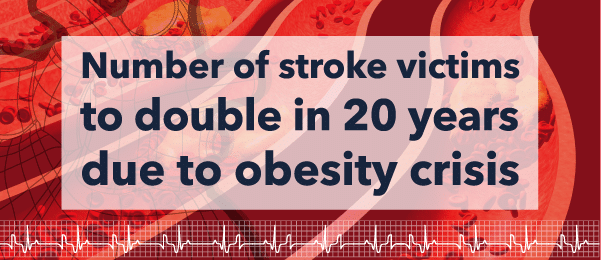
Fueled by the consistently worsening obesity crisis, cases of stroke victims are expected to almost double in the next two decades. Experts note that the number of new strokes in the United Kingdom alone could jump by 44% by 2035; currently, more than one in four adults qualifies as obese or overweight—compared to one in […]
Type 2 Diabetes and Heart Failure: A Deadly Combination
An in-depth session titled “Heart Failure: The Frequent, Forgotten, and Often Fatal Complication of Type 2 Diabetes” was presented last week at the American Association of Clinical Endocrinology’s 26th Annual Scientific and Clinical Congress. The cited evidence and research pointed to a high frequency of heart failure, accompanied by an increased risk of mortality, for […]
Pass the Butter!
A new editorial published by a group of cardiologists in the British Journal of Sports Medicine argues that saturated fats, found in foods like butter, cheese, and meats, does not clog arteries and ultimately lead to cardiovascular disease. The doctors report that a Mediterranean-style diet, coupled with minimal stress and daily exercise, should be the […]
Happy Hour: Good for the Heart?
A recent large-scale study indicates that alcohol, in moderation, is healthy for the heart. New research published in the British Medical Journal adds further evidence linking alcohol consumption with lower risks of heart attack, stroke, and cardiovascular disease. While the new study is consistent with earlier results that have shown potential heart health benefits from occasional drinking, it amplifies […]
Move — and Move Often!
While most physicians and nutritionists agree that low to moderate levels of weekly physical activity is often insufficient to significantly reduce body weight, studies indicate that those who transition from little to no daily physical activity to moderate levels have clinically meaningful reductions in cardiometabolic risk. Scores of controlled trials over the last decade demonstrate […]
Unscrambling Eggs: Nutrition Science
A recent article published through National Public Radio analyzes and assesses one of humankind’s most reliable source of calories: eggs, which have historically been obtained “with minimal exertion and zero horticulture skills.” In the late 1970s, specifically, the appreciation of eggs was at an all-time high, as physicians began to realize that excess cholesterol is […]
Shoveling in Snowstorms: Bad for the Heart?
A new study published in the Canadian Medical Association has found that the days following a heavy snowfall often carry a significantly greater risk of heart attacks for men. The medical community has long suspected that snow shoveling can increase heart attacks at a population level, yet this study concretely confirms the link between snowfall […]
Less Screen Time, More Sports: Childhood Obesity & Cardiovascular Disease
A host of studies have confirmed the correlation between childhood obesity and adult cardiovascular disease, illustrating the consequences of obesity during childhood. Because obese and overweight children are more likely to become obese adults than those who were not obese as children, they face an increased risk of developing chronic diseases such as CVD, type […]
Caffeine: The Magic Bullet for Cardio Disease?
An abundance of recent research points to the ways in which caffeine, consumed in moderation, can be beneficial for the heart. Recent research from Stanford revealed a connection between aging and systematic inflammation, cardiovascular disease, and coffee consumption. Through the investigation of blood samples, survey data, and medical and family histories, researchers confirmed that a […]
January’s Cardio Crisis
Recent research has concluded that cardiovascular deaths, specifically heart attacks and strokes, are statistically more common in January. New evidence has led scientists to believe that a number of factors have collectively caused this phenomenon, through the analysis of millions of death certificates. Similar patterns of cardiac mortality in the winter months, specifically January, have […]