
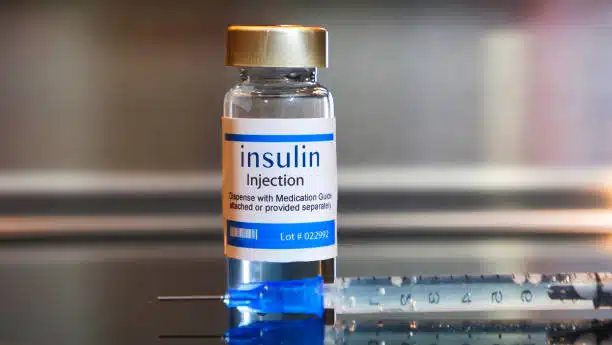
In an era when health care and pharmaceutical prices continue to trend upwards, Eli Lilly made a historic announcement on Wednesday, March 1, 2023, stating that they would be reducing prices of their most commonly prescribed insulins by 70% and expanding their Insulin Value Program capping out-of-pocket costs at $35 or less per month for most patients.
The History of Insulin
The origins of insulin track back to 1889, when two German researchers, Oskar Minkowski and Joseph von Mering, found that when the pancreas gland was removed from dogs they developed symptoms of diabetes. In 1910, Sir Edward Albert Sharpey-Shafer determined that only one chemical was missing from the pancreas in people with diabetes: insulin.
Then, in 1921, Frederick Banting and his assistant Charles Best discovered how to remove just insulin from a dog’s pancreas. Colleagues J.B. Collip and John Maclead took this discovery one step further, and developed a more refined and purer form of insulin, this time from the pancreases of cattle. One year later, a young boy dying from diabetes became the first person to receive an insulin injection; within 24 hours of the injection, 14-year old Leonard Thompson’s dangerously high blood glucose levels dropped to near-normal levels.
The news spread quickly, and in 1923, Banting and Macleod received the Nobel Prize in Medicine and the use of insulin became widespread. Although Banting refused to sell the patent for insulin because he felt it was unethical for a doctor to profit from its lifesaving properties, Collip and Best sold the insulin patent for just $1, saying they “wanted everyone who needed the medication to be able to afford it.”
The word insulin comes from the Latin word Insula, meaning “island.” Sharpey-Shafer chose this name for his discovery because it was the only chemical missing from the pancreas in people with diabetes.
The History of Insulin Prices
Eli Lilly was the first pharmaceutical company to begin large-scale production of insulin in 1923, joined in the next few decades by Novo Nordisk and Sanofi-Aventis. Today, these three companies still dominate the world’s insulin production and therefore largely control the drug’s market price.
According to the American Diabetes Association, about 8.4 million people in the U.S. rely on insulin, but an estimated 16.5% of those reported having to ration their insulin because of its high price, which has risen exponentially since it was first produced:
- 1921 – The patent for insulin is sold for $1.
- 1972 – The price of a vial of insulin is $9.
- 1982 – The price of a vial of insulin is $14.
- 1996 – The price of a vial of insulin is $33.
- 2010 – The price of a vial of insulin is $110.
- 2017 – The price of a vial of insulin is $275.
The calamity of insulin price hikes impacting patient access has long been a topic of discussion. Although insulin is relatively inexpensive to manufacture, it is currently the sixth most expensive liquid in the world. In the last 20 years alone, the average price of a vial of insulin has skyrocketed 600%.
FUN FACT: Insulin is expensive, but the highest-priced liquid in the world is scorpion venom at $39 million per gallon. A protein in the venom can be used to treat pain in humans who suffer from multiple sclerosis, inflammatory bowel disease,and rheumatoid arthritis.
Lilly's Announcement
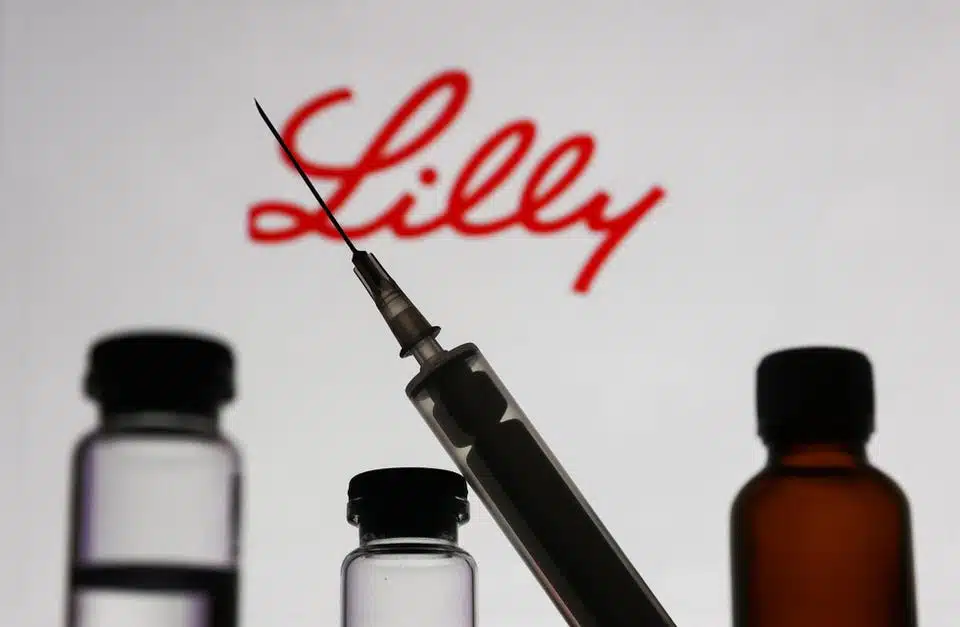
Whether it is the result of mounting political pressure, a response to patient activism, or finally delivering on their own promise to provide affordable insulin, Lilly’s announcement is a breath of fresh air in the complex health care system most patients with diabetes are forced to navigate in order to manage the disease.
The company’s announcement detailed price reductions for Insulin Lispro and Humalog, and the launch of Rezvoglar, a basal insulin biosimilar interchangeable with Lantus. Additionally, Lilly is automatically capping out-of-pocket costs at $35 at participating retail pharmacies for people with commercial insurance using Lilly insulin.
A Call to Action
According to Elizabeth Pfiester, executive director of T1International – a nonprofit advocating for access to insulin – “This decision for affordable insulin shows the power of grassroots advocacy and organizing.” However, the price decreases will still be out of reach for most patients: “Over 7 million Americans rely on injected insulin to stay alive and healthy. Many use more than one insulin dosage form or type,” said Fiona Mason, U.S. national director of T1International.
“Securing $25 vials of short-acting insulin Lispro is a first step, but more needs to be done to ensure that all insulins and diabetes drugs and supplies are affordable and accessible to all.”
- Elizabeth Pfiester, T1International Executive Director and person living with Type 1 Diabetes
What About the Uninsured?
For those who are uninsured or use a nonparticipating retail pharmacy, the Lilly Insulin Value Program offers a downloadable savings card that provides a $35 max out-of-pocket cost to purchase any of Lilly’s insulin brands. The company instructs patients without insurance interested in the program to visit InsulinAffordability.com to download the savings card or call the Eli Lilly Solutions Center at 833-808-1234.
“While the current health care system provides access to insulin for most people with diabetes, it still does not provide affordable insulin for everyone and that needs to change. The aggressive price cuts we’re announcing today should make a real difference for Americans with diabetes. Because these price cuts will take time for the insurance and pharmacy system to implement, we are taking the additional step to immediately cap out-of-pocket costs for patients who use Lilly insulin and are not covered by the recent Medicare Part D cap.”
- David A. Ricks, Eli Lilly Chairperson and CEO
- https://www.mayoclinicproceedings.org/article/S0025-6196(19)31008-0/fulltext
- https://diabetes.org/blog/history-wonderful-thing-we-call-insulin
- https://healthstreet.program.ufl.edu/wordpress/files/2018/12/The-cost-of-Insulin.pdf
- https://beyondtype1.org/the-10-most-expensive-liquids-in-the-world/
- https://www.ajmc.com/view/the-deadly-costs-of-insulin
- https://investor.lilly.com/news-releases/news-release-details/lilly-cuts-insulin-prices-70-and-caps-patient-insulin-out-pocket
- https://www.t1international.com/blog/2023/03/01/t1international-and-insulin4all-advocates-score-major-win/